Feb 01, 2023Ravie Lakshmanan
The Brazilian threat actors behind an advanced and modular
point-of-sale (PoS) malware known as Prilex have
reared their head once again with new updates that allow it to
block contactless payment transactions.
Russian cybersecurity firm Kaspersky said[1]
it detected three versions of Prilex (06.03.8080, 06.03.8072, and
06.03.8070) that are capable of targeting NFC-enabled credit cards,
taking its criminal scheme a notch higher.
Having evolved out of ATM-focused malware into PoS malware over
the years since going operational in 2014, the threat actor
steadily incorporated new features that are designed to facilitate
credit card fraud, including a technique called GHOST transactions[2].
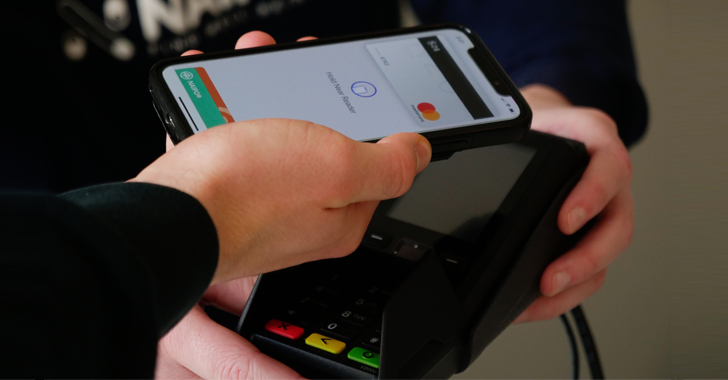
While contactless payments have taken off in a big way, in part
due to the COVID-19 pandemic, the underlying motive behind the new
functionality is to disable the feature so as to force the user to
insert the card into the PIN pad.
To that end, the latest version of Prilex, which Kaspersky
discovered in November 2022, has been found to implement a
rule-based logic to determine whether or not to capture credit card
information alongside an option to block NFC-based
transactions.
“This is due to the fact that NFC-based transactions often
generate a unique ID or card number valid for only one
transaction,” researchers said.
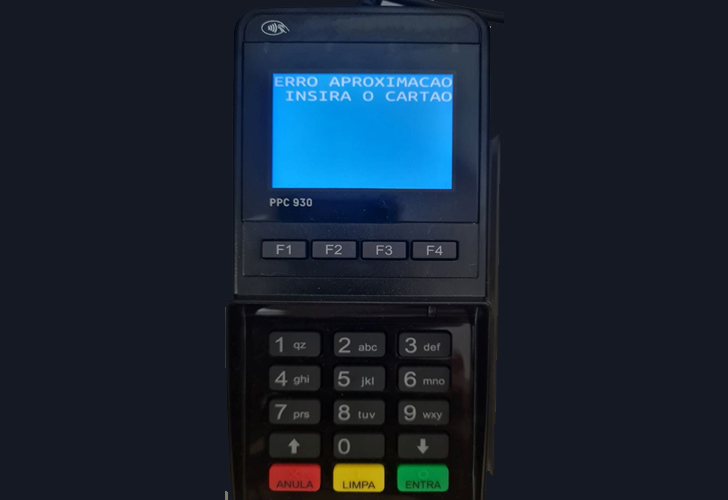
Should such an NFC-based transaction be detected and blocked by
the malware installed on the infected PoS terminal, the PIN pad
reader displays a fake error message: “Contactless error, insert
your card.”
This leads the victim to use their physical card by inserting it
into the PIN pad reader, effectively permitting the threat actors
to commit fraud. Another new feature added to the artifacts is the
ability to filter credit cards by segments and craft rules tailored
to those tiers.
“These rules can block NFC and capture card data only if the
card is a Black/Infinite, Corporate or another tier with a high
transaction limit, which is much more attractive than standard
credit cards with a low balance/limit,” the researchers noted.
“Since transaction data generated during a contactless payment
are useless from a cybercriminal’s perspective, it is
understandable that Prilex needs to force victims to insert the
card into the infected PoS terminal.”
Found this article interesting? Follow us on Twitter [3]
and LinkedIn[4]
to read more exclusive content we post.
References
Read more https://thehackernews.com/2023/02/prilex-pos-malware-evolves-to-block.html