
A “logical flaw” has been disclosed in NPM, the default package
manager for the Node.js JavaScript runtime environment, that
enables malicious actors to pass off rogue libraries as legitimate
and trick unsuspecting developers into installing them.
The supply chain threat has been dubbed “Package Planting” by
researchers from cloud security firm Aqua. Following responsible
disclosure on February 10, the underlying issue was remediated by
NPM on April 26.
“Up until recently, NPM allowed adding anyone as a maintainer of
the package without notifying these users or getting their
consent,” Aqua’s Yakir Kadkoda said[1]
in a report published Tuesday.
This effectively meant that an adversary could create
malware-laced packages and assign them to trusted, popular
maintainers without their knowledge.
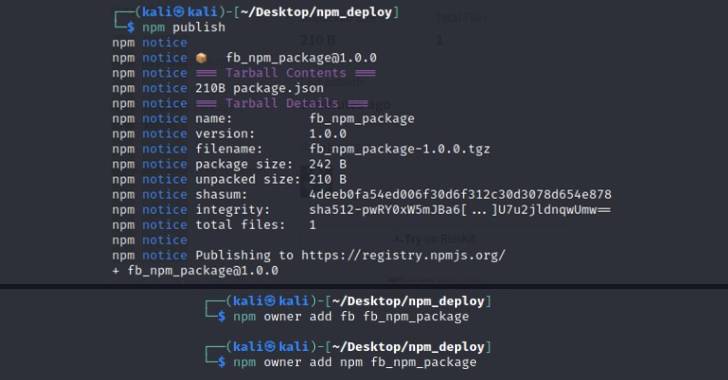
The idea here is to add credible owners associated with other
popular NPM libraries to the attacker-controlled poisoned package
in hopes that doing so would attract developers into downloading
it.
The consequences of such a supply chain attack are significant
for a number of reasons. Not only does it give a false sense of
trust among developers, it could also inflict reputational damage
to legitimate package maintainers.
The disclosure comes as Aqua uncovered[2]
two more flaws in the NPM platform related to two-factor
authentication (2FA) that could be abused to facilitate account
takeover attacks and publish malicious packages.
“The main problem is that any npm user can perform this and add
other NPM users as maintainers of their own package,” Kadkoda said.
“Eventually, developers are responsible for what open source
packages they use when building applications.”
Read more https://thehackernews.com/2022/04/npm-bug-allowed-attackers-to-distribute.html