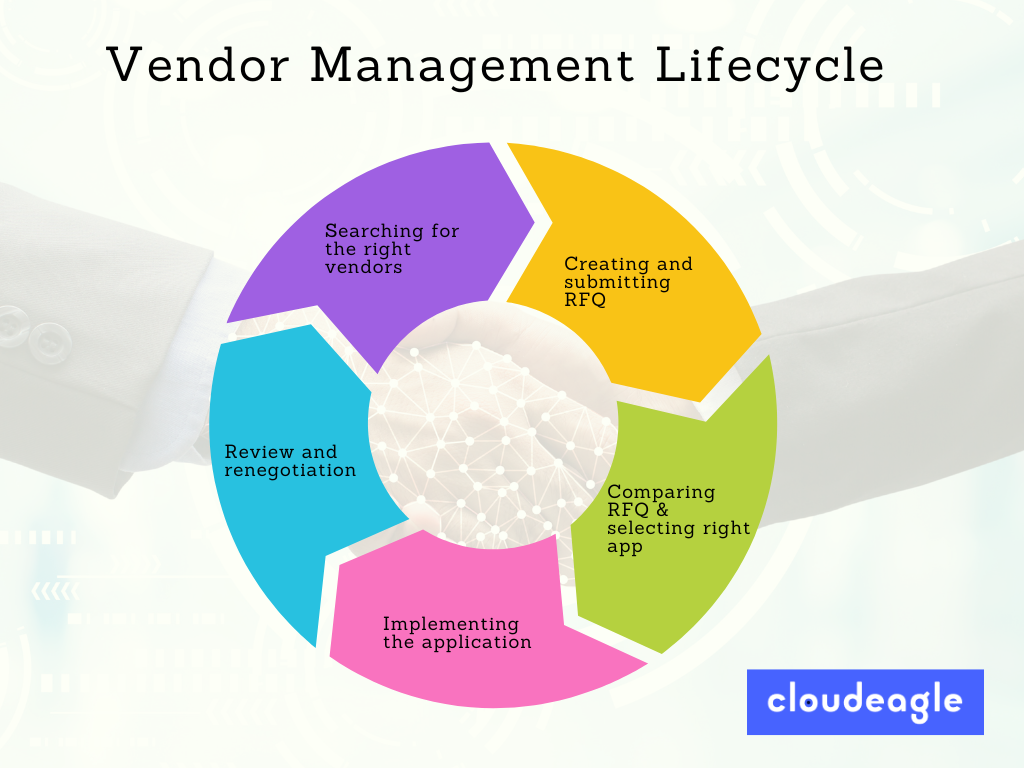
This article explores the intersection of vendor and client responsibilities in SaaS implementation. It examines the roles of both parties and how they can work together to ensure a successful implementation. It also looks at the importance of communication and collaboration between the vendor and client to ensure that the implementation process is smooth and successful. Finally, it provides best practices for both vendors and clients to ensure that the implementation process is successful. By understanding the responsibilities of both parties, vendors and clients can work together to ensure a successful SaaS implementation.
Understanding the Roles and Responsibilities of Vendors and Clients in SaaS Implementation
When it comes to software as a service (SaaS) implementation, it is important to understand the roles and responsibilities of both vendors and clients. SaaS is a type of cloud computing that allows users to access software applications over the internet. It is a cost-effective way for businesses to access the latest software applications without having to purchase, install, and maintain them on their own.
For vendors, the primary responsibility is to provide the software and services that the client needs. This includes developing the software, hosting it on the cloud, and providing technical support. Vendors must also ensure that the software is secure and reliable, and that it meets the client’s needs. They must also be able to quickly and effectively respond to any issues that arise.
For clients, the primary responsibility is to ensure that the software meets needs and that it is secure and reliable. They must also be able to communicate their needs to the vendor and provide feedback on the software. Additionally, clients must be able to understand the terms of the agreement and ensure that they are adhering to them.
Both vendors and clients must also be aware of the legal implications of SaaS implementation. This includes understanding the terms of the agreement, such as who owns the software, who is responsible for maintenance and upgrades, and who is liable for any damages that may occur.
Finally, both vendors and clients must be aware of the potential risks associated with SaaS implementation. This includes understanding the security risks, such as data breaches, and the potential for downtime due to technical issues. It is important for both parties to understand the risks and take steps to mitigate them.
In summary, understanding the roles and responsibilities of both vendors and clients is essential for successful SaaS implementation. Vendors must provide the software and services that the client needs, while clients must ensure that the software meets their needs and that they are adhering to the terms of the agreement. Both parties must also be aware of the legal implications and potential risks associated with SaaS implementation.
Examining the Benefits of Collaboration Between Vendors and Clients in SaaS Implementation
The use of Software as a Service (SaaS) has become increasingly popular in recent years, as businesses of all sizes look to take advantage of the cost savings and scalability that cloud-based solutions offer. However, successful SaaS implementation requires collaboration between vendors and clients. By working together, vendors and clients can ensure that the SaaS solution meets the needs of the business and is implemented in a timely and cost-effective manner.
One of the primary benefits of collaboration between vendors and clients is that it allows for a more efficient implementation process. By working together, vendors and clients can identify potential issues early on and address them before they become costly problems. Additionally, collaboration allows for a more comprehensive understanding of the client’s needs and objectives, which can help ensure that the SaaS solution is tailored to the specific requirements of the business.
Another benefit of collaboration between vendors and clients is that it allows for a more comprehensive understanding of the SaaS solution. By working together, vendors and clients can ensure that the solution is properly configured and that all features are utilized to their fullest potential. Additionally, collaboration allows for a more thorough understanding of the SaaS solution’s capabilities, which can help ensure that the solution is used to its fullest potential.
Finally, collaboration between vendors and clients can help ensure that the SaaS solution is properly maintained and updated. By working together, vendors and clients can ensure that the solution is kept up to date with the latest security patches and feature updates. Additionally, collaboration allows for a more comprehensive understanding of the SaaS solution’s capabilities, which can help ensure that the solution is used to its fullest potential.
In conclusion, collaboration between vendors and clients is essential for successful SaaS implementation. By working together, vendors and clients can ensure that the SaaS solution meets the needs of the business and is implemented in a timely and cost-effective manner. Additionally, collaboration allows for a more comprehensive understanding of the SaaS solution’s capabilities, which can help ensure that the solution is used to its fullest potential. Finally, collaboration between vendors and clients can help ensure that the SaaS solution is properly maintained and updated.
Identifying Challenges and Solutions to Vendor-Client Interactions in SaaS Implementation
The success of any Software as a Service (SaaS) implementation depends on the successful collaboration between the vendor and the client. However, there are several challenges that can arise in the vendor-client interactions that can lead to a failed implementation. Identifying these challenges and finding solutions to them is essential for a successful SaaS implementation.
One of the most common challenges in vendor-client interactions is a lack of communication. The vendor and the client need to be able to communicate effectively in order to ensure that the SaaS implementation is successful. This means that both parties need to be willing to listen to each other and be open to feedback. Without effective communication, it can be difficult to identify and address any issues that arise during the implementation process.
Another challenge is a lack of trust between the vendor and the client. The vendor needs to be able to trust that the client will follow through on their commitments and the client needs to be able to trust that the vendor will deliver the promised services. Without trust, it can be difficult to move forward with the implementation process.
A third challenge is a lack of understanding of the SaaS implementation process. Both the vendor and the client need to have a clear understanding of the process and the roles and responsibilities of each party. Without this understanding, it can be difficult to move forward with the implementation.
Fortunately, there are solutions to these challenges. The first solution is to ensure that there is effective communication between the vendor and the client. This can be done by setting up regular meetings to discuss progress and address any issues that arise. It is also important to ensure that both parties are open to feedback and willing to listen to each other.
The second solution is to build trust between the vendor and the client. This can be done by ensuring that both parties are transparent about their expectations and commitments. It is also important to ensure that both parties are held accountable for their actions.
The third solution is to ensure that both the vendor and the client have a clear understanding of the SaaS implementation process. This can be done by providing detailed documentation and training materials to both parties. It is also important to ensure that both parties are aware of their roles and responsibilities in the process.
By identifying the challenges and finding solutions to them, it is possible to ensure a successful SaaS implementation. Effective communication, trust, and understanding are essential for a successful vendor-client relationship and for a successful SaaS implementation.
Exploring Best Practices for Vendor-Client Communication During SaaS Implementation
Vendor-client communication is an essential part of any successful software-as-a-service (SaaS) implementation. As the vendor, it is your responsibility to ensure that the client understands the process and is kept informed of any changes or updates. This is especially important when it comes to SaaS implementations, as they often involve complex technical processes and require a high level of collaboration between the vendor and the client.
The first step in establishing effective vendor-client communication is to ensure that both parties have a clear understanding of the project scope and timeline. This includes outlining the specific requirements for the project, such as the features and functionality that need to be implemented, as well as the timeline for completion. It is also important to discuss any potential risks or issues that may arise during the implementation process.
Once the project scope and timeline have been established, it is important to set up regular communication between the vendor and the client. This should include regular meetings to discuss progress, as well as any changes or updates that need to be made. It is also important to provide the client with regular updates on the project’s progress, as as any potential issues or risks that may arise.
In addition to regular meetings and updates, it is also important to ensure that the vendor and the client have a clear understanding of each other’s roles and responsibilities. This includes outlining who is responsible for what tasks, as well as who is responsible for making decisions and providing feedback. It is also important to ensure that the vendor and the client have a clear understanding of the project’s budget and timeline.
Finally, it is important to ensure that the vendor and the client have a clear understanding of the project’s success criteria. This includes outlining the specific goals and objectives that need to be achieved in order for the project to be considered a success. It is also important to discuss any potential risks or issues that may arise during the implementation process.
By following these best practices for vendor-client communication SaaS implementation, vendors can ensure that their clients are kept informed and up-to-date on the progress of the project. This will help to ensure that the project is completed on time and within budget, and that the client is satisfied with the results.
Evaluating the Impact of Vendor-Client Relationships on SaaS Implementation Success
The success of any software-as-a-service (SaaS) implementation depends heavily on the quality of the vendor-client relationship. A successful SaaS implementation requires a strong partnership between the vendor and the client, as well as a clear understanding of the client’s needs and expectations. The vendor must be able to provide the necessary services and support to ensure that the client’s objectives are met.
The vendor-client relationship is a critical factor in the success of any SaaS implementation. The vendor must be able to understand the client’s needs and provide the necessary services and support to ensure that the client’s objectives are met. vendor must also be able to the necessary technical expertise and resources to ensure that the SaaS implementation is successful.
The vendor must also be able to provide the necessary training and support to ensure that the client is able to use the SaaS solution effectively. The vendor must also be able to provide necessary resources and support to that the client is able to maintain the SaaS solution over time.
The vendor must also be able to provide the necessary customer service and support to ensure that the client is able get the most out of SaaS solution. The must also be able to the necessary resources and support to ensure that the client is able to troubleshoot any issues that may arise with the SaaS solution.
The vendor must also be able to provide the necessary resources and support to ensure that the client is able to upgrade the SaaS solution as needed. The vendor must also be able to provide the necessary resources and support to ensure that the client is able to integrate the SaaS solution with other systems and applications.
The vendor must also be able to provide the necessary resources and support to ensure that the client is able to customize the SaaS solution to meet their specific needs. The vendor must also be able to provide the necessary resources and support to ensure that the client is able to optimize the SaaS solution for their specific environment.
In order to evaluate the impact of the vendor-client relationship on the success of a SaaS implementation, it is important to consider the following factors: the quality of the vendor’s services and support, the quality of the vendor’s technical expertise and resources, the quality of the vendor’s customer service and support, the quality of the vendor’s training and support, and the quality of the vendor’s resources and support.
By evaluating these factors, it is possible to determine the impact of the vendor-client relationship on the success of a SaaS implementation. By understanding the impact of the vendor-client relationship on the success of a SaaS implementation, it is possible to ensure that the client is able to get the most out of the SaaS solution.
In conclusion, exploring the intersection of vendor and client responsibilities in SaaS implementation is essential for successful implementation. Both parties must understand their roles and responsibilities, communicate effectively, and work together to ensure that the implementation process is successful. By understanding the responsibilities of each party, organizations can ensure that their SaaS implementation is successful and that their goals are met.
Excerpt
The successful implementation of SaaS requires a clear understanding of the responsibilities of both the vendor and the client. It is important to identify and define the roles of each party to ensure a successful implementation. will explore the intersection of client responsibilities in Saa.