
A nonce is a random or semi-random number that is generated for a specific use. It is related to cryptographic communication and information technology (IT). The term stands for “number used once” or “number once” and is commonly referred to as a cryptographic nonce.
This article provides a comprehensive guide to understanding nonces and their role in cryptographic security. Nonces are an important part of cryptography, as they are used to ensure that cryptographic operations are performed securely. This guide will explain what nonces are, how they are used, and why they are important for cryptographic security. It will also provide examples of how nonces are used in practice. By the end of this guide, you will have a better understanding of nonces and their role in cryptographic security.
What is a Nonce and How Does it Work?
A nonce is a cryptographic term that stands for “number used once”. It is a random number that is used only once in a cryptographic communication. Nonces are used to ensure that old communications cannot be reused in an attack.
Nonces are used in a variety of cryptographic protocols, such as digital signatures, message authentication codes, and key exchange protocols. They are also used in authentication protocols, such as challenge-response authentication, to prevent replay attacks.
In a challenge-response authentication protocol, the server sends a challenge to the client. The client then generates a nonce and sends it back to the server. The server then verifies that the nonce is valid and authenticates the client.
Nonces are also used in digital signatures. When a message is signed, a nonce is included in the signature. This ensures that the signature cannot be reused in an attack.
Nonces are also used in key exchange protocols. In a key exchange protocol, the server and client generate a shared secret key. The server then sends a nonce to the client. The client then uses the nonce to generate a new key, which is then used to encrypt the communication.
Nonces are also used in message authentication codes. A message authentication code is a cryptographic hash of a message. The message authentication code is then sent along with the message. The receiver then verifies that the message authentication code is valid.
Nonces are an important part of cryptography. They are used to ensure that old communications cannot be reused in an attack. They are also used to authenticate clients and generate shared secret keys. Nonces are an essential part of many cryptographic protocols and are used to ensure the security of communications.
Exploring the Role of Nonces in Cryptographic Security
Nonces are an important part of cryptographic security, and they are used to ensure that data is not tampered with or reused. A nonce is a number or string of characters that is used only once in a cryptographic communication. It is generated randomly and is used to ensure that the data being sent is unique and cannot be reused.
Nonces are used in many different types of cryptographic protocols, such as digital signatures, encryption, and authentication. They are also used in the authentication process of two-factor authentication. In this process, a user is required to enter a one-time code that is generated by the server. This code is generated using a nonce, which is a randomly generated number that is only used once.
Nonces are also used in digital signatures. A digital signature is a cryptographic technique that is used to verify the authenticity of a message or document. In this process, a nonce is used to generate a unique signature for each message or document. This signature is then used to verify the authenticity of the message or document.
Nonces are also used in encryption. Encryption is a process of scrambling data so that it cannot be read by anyone other than the intended recipient. Nonces are used to generate a unique key for each message or document that is being encrypted. This key is then used to decrypt the data when it is received by the intended recipient.
Nonces are also used in authentication. Authentication is the process of verifying the identity of a user or system. Nonces are used to generate a unique code that is used to verify the identity of the user or system. This code is then used to authenticate the user or system.
Nonces are an important part of cryptographic security, and they are used to ensure that data is not tampered with or reused. They are used in many different types of cryptographic protocols, such as digital signatures, encryption, and authentication. Nonces are also used to generate unique keys for encryption and authentication. Nonces are an essential part of cryptographic security, and they are used to ensure that data is not tampered with or reused.
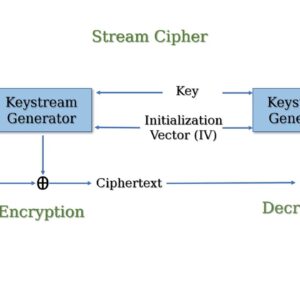
Understanding Nonce Generation and Usage
Nonce generation and usage is an important concept in cryptography and computer security. A nonce is a unique number or string of characters that is used only once in a cryptographic communication. It is used to ensure that old communications cannot be reused in future communications.
Nonces are typically generated by a random number generator and are used to prevent replay attacks. A replay attack is when an attacker captures a valid message and then replays it to gain access to a system or to gain unauthorized access to data. By using a nonce, the system can detect if the same message has been sent more than once and reject it.
Nonces are also used to ensure data integrity. By including a nonce in a message, the receiver can verify that the message has not been modified in transit. This is done by calculating a hash of the message and the nonce and then comparing it to the hash sent with the message. If the hashes match, then the message has not been modified.
Nonces can also be used to provide authentication. By including a nonce in a message, the sender can prove that they are the one who sent the message. This is done by calculating a hash of the message and the nonce and then signing it with the sender’s private key. The receiver can then verify the signature with the sender’s public key.
Nonces are an important part of cryptography and computer security. They are used to ensure data integrity, prevent replay attacks, and provide authentication. Nonces are typically generated by a random number generator and should only be used once. By using nonces, systems can ensure that messages are secure and that only authorized users can access data.
Analyzing the Benefits of Nonce-Based Security
Nonce-based security is a type of security protocol that is used to protect data from unauthorized access. It is a cryptographic technique that uses a unique, one-time value, known as a nonce, to authenticate data and prevent replay attacks. Nonce-based security is used in a variety of applications, including authentication, digital signatures, and encryption.
Nonce-based security works by generating a unique value, or nonce, for each transaction. This nonce is used to authenticate the data and ensure that it is not being replayed or tampered with. The nonce is typically generated by the sender of the data and is sent along with the data to the recipient. The recipient then verifies the nonce to ensure that the data is authentic and has not been tampered with.
Nonce-based security provides several benefits. First, it is an effective way to protect data from unauthorized access. By using a unique value for each transaction, it is difficult for an attacker to guess the nonce and gain access to the data. Second, nonce-based security is relatively easy to implement and does not require complex cryptographic algorithms. Third, nonce-based security is a lightweight solution that does not require a lot of computing power or storage space. Finally, nonce-based security is a secure solution that is resistant to replay attacks.
Overall, nonce-based security is an effective way to protect data from unauthorized access. It is relatively easy to implement and provides a lightweight solution that is resistant to replay attacks. As such, nonce-based security is an important tool for protecting data in a variety of applications.
Examining the Challenges of Nonce-Based Security
Nonce-based security is a type of security system that is used to protect data and systems from malicious attacks. It is a form of cryptography that is used to ensure that data is not tampered with or accessed without authorization. Nonce-based security is a powerful tool for protecting data and systems, but it also presents some unique challenges.
One of the primary challenges of nonce-based security is the difficulty of generating and managing nonces. Nonces are random numbers that are used to authenticate data and systems. They must be generated in a secure manner and must be kept secure to ensure that they are not compromised. This can be difficult to do, especially when dealing with large amounts of data.
Another challenge of nonce-based security is the difficulty of verifying nonces. Nonces must be verified to ensure that they are valid and that they have not been tampered with. This can be difficult to do, especially when dealing with large amounts of data.
Finally, nonce-based security can be difficult to implement. Nonce-based security requires a significant amount of effort to set up and maintain. It also requires a significant amount of computing power to generate and verify nonces. This can be difficult to do, especially for smaller organizations that may not have the resources to dedicate to nonce-based security.
Nonce-based security is a powerful tool for protecting data and systems, but it also presents some unique challenges. It can be difficult to generate and manage nonces, verify nonces, and implement nonce-based security. Organizations must be aware of these challenges and take steps to ensure that their data and systems are secure.
In conclusion, nonces are an important part of cryptographic security, as they help ensure that data is not tampered with or accessed without authorization. Nonces are generated randomly and used in combination with other security measures to create a secure system. Nonces can be used to protect data from being modified or accessed without permission, and they can also be used to verify the authenticity of data. Understanding nonces and their role in cryptographic security is essential for any organization or individual that wants to ensure the security of their data.
Excerpt
Nonces are random numbers used in cryptographic security protocols to ensure that data is not reused. They are generated for each transaction and are used to create a unique cryptographic signature. Nonces are essential for secure communication and authentication.