
Details have emerged about a high severity security
vulnerability affecting a software driver used in HP, Xerox, and
Samsung printers that has remained undetected since 2005.
Tracked as CVE-2021-3438[1]
(CVSS score: 8.8), the issue concerns a buffer overflow in a print
driver installer package named “SSPORT.SYS” that can enable remote
privilege and arbitrary code execution. Hundreds of millions of
printers have been released worldwide to date with the vulnerable
driver in question.
However, there is no evidence that the flaw was abused in
real-world attacks.
“A potential buffer overflow in the software drivers for certain
HP LaserJet products and Samsung product printers could lead to an
escalation of privilege,” according to an advisory published in
May.
The issue was reported to HP by threat intelligence researchers
from SentinelLabs on February 18, 2021, following which remedies[2]
have been published[3]
for the affected printers as of May 19, 2021.
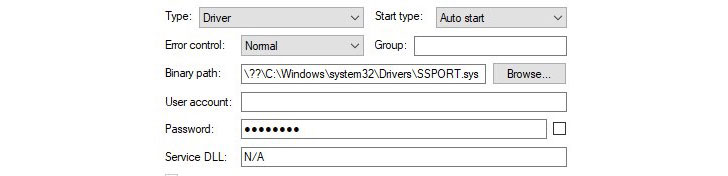
Specifically, the issue hinges on the fact that the printer
driver doesn’t sanitize the size of the user input, potentially
allowing an unprivileged user to escalate privileges and run
malicious code in kernel mode on systems that have the buggy driver
installed. now
“The vulnerable function inside the driver accepts data sent
from User Mode via IOCTL[4]
(Input/Output Control) without validating the size parameter,”
SentinelOne researcher Asaf Amir said[5]
in a report shared with The Hacker News. “This function copies a
string from the user input using ‘strncpy[6]‘ with a size parameter
that is controlled by the user. Essentially, this allows attackers
to overrun the buffer used by the driver.”
Interestingly, it appears that HP copied the driver’s
functionality from a near-identical Windows driver
sample[7] published by Microsoft,
although the sample project in itself doesn’t contain the
vulnerability.
This is not the first time security flaws have been discovered
in old software drivers. Earlier this May, SentinelOne revealed
details about multiple critical privilege escalation
vulnerabilities in Dell’s firmware update driver named “dbutil_2_3.sys[8]” that went undisclosed
for more than 12 years.
References
Read more http://feedproxy.google.com/~r/TheHackersNews/~3/0waAACXDS2I/16-year-old-security-bug-affects.html