An Iranian threat actor has unleashed a new cyberespionage
campaign against a possible Lebanese target with a backdoor capable
of exfiltrating sensitive information from compromised systems.
Cybersecurity firm Check Point attributed the operation to
APT34, citing similarities with previous techniques used by the
threat actor as well as based on its pattern of victimology.
APT34[1]
(aka OilRig) is known for its reconnaissance campaigns aligned with
the strategic interests of Iran, primarily hitting financial,
government, energy, chemical, and telecommunications industries in
the Middle East.
The group typically resorts to targeting individuals through the
use of booby-trapped job offer documents, delivered directly to the
victims via LinkedIn messages, and the latest campaign is no
exception, although the mode of delivery remains unclear as
yet.
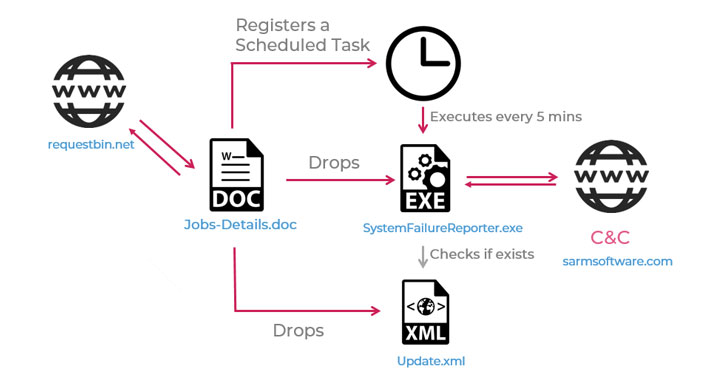
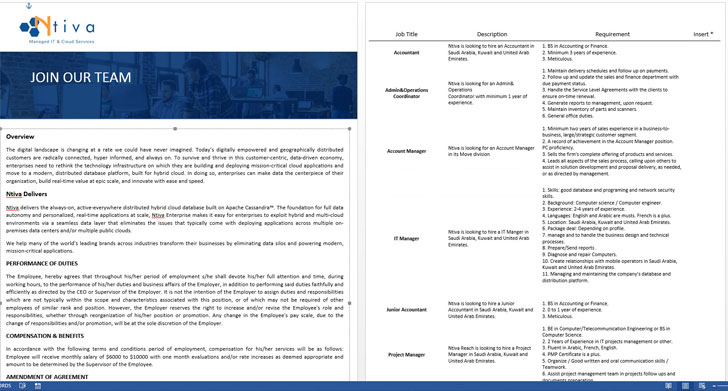
The Word document analyzed by Check Point — which was uploaded[2]
to VirusTotal from Lebanon on January 10 — claims to offer
information about different positions at a U.S.-based consulting
firm named Ntiva IT, only to trigger the infection chain upon
activating the embedded malicious macros, ultimately resulting in
the deployment of a backdoor called “SideTwist.”
Aside from gathering basic information about the victim’s
machine, the backdoor establishes connections with a remote server
to await additional commands that allow it to download files from
the server, upload arbitrary files, and execute shell commands, the
results of which are posted back to the server.
Check Point notes that the use of new backdoor points to the
group’s ongoing efforts to overhaul and update their payload
arsenal in the wake of a 2019 leak[3]
of its hacking tools, which also doxxed several officers of the
Iranian Ministry of Intelligence who were involved with APT34
operations.
“Iran backed APT34 shows no sign of slowing down, further
pushing its political agenda in the middle-east, with an ongoing
focus on Lebanon — using offensive cyber operations,” the
researchers said[4]. “While maintaining its
modus operandi and reusing old techniques, the group continues to
create new and updated tools to minimize the possible detection of
their tools by security vendors.”