
authorities from the U.S. and several European countries, feds have
shut down an online underground marketplace and arrested three
suspects in Ukraine.
Dubbed xDedic, the illegal online marketplace let cybercriminals
buy, sell or rent out access to thousands of hacked computers and
servers across the world and personally identifiable information of
U.S. residents.
The underground website had been around for years with its
administrators strategically maintaining and concealing the
locations of its servers all over the world to facilitate the
operation of the underground site.
xDedic offered buyers to search for over 176,000 unique compromised
servers—which were usually in the form of credentials for
compromised Remote Desktop Protocol (RDP) accounts—from around the
world by price, operating system, or even their geographic location
from where it was stolen.
xDedic impacted victims in multiple industries, “including
local, state, and federal government infrastructure, hospitals,
911, and emergency services, call centers, major metropolitan
transit authorities, accounting and law firms, pension funds, and
universities.”
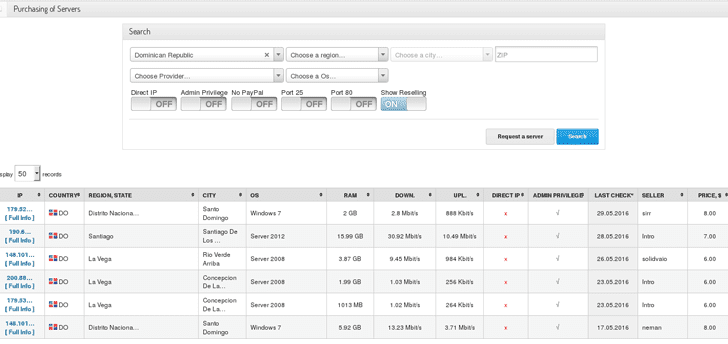
country government network for as little as $6, according to a 2016
report[1]
from Kaspersky Lab, which claimed xDedic was operated by a group of
Russian-speaking hackers.
The underground marketplace facilitated more than $68 million in
fraud before it was takedown on Thursday (24 January 2019), while
the Europol and the U.S. Department of Justice
announced the takedown on 28 January.
[2][3]
Authorities said they dismantled and seized xDedic’s infrastructure
located in Belgium and Ukraine. People still accessing the
underground website would be redirected to a page displaying the
marketplace has been taken offline.
Meanwhile, Ukrainian authorities have announced the arrest of three suspects
after they searched at least nine locations in Ukraine last week
and seized several IT systems.
[4]
References
Read more http://feedproxy.google.com/~r/TheHackersNews/~3/oieYOEz-nSM/cyber-criminal-marketplace.html