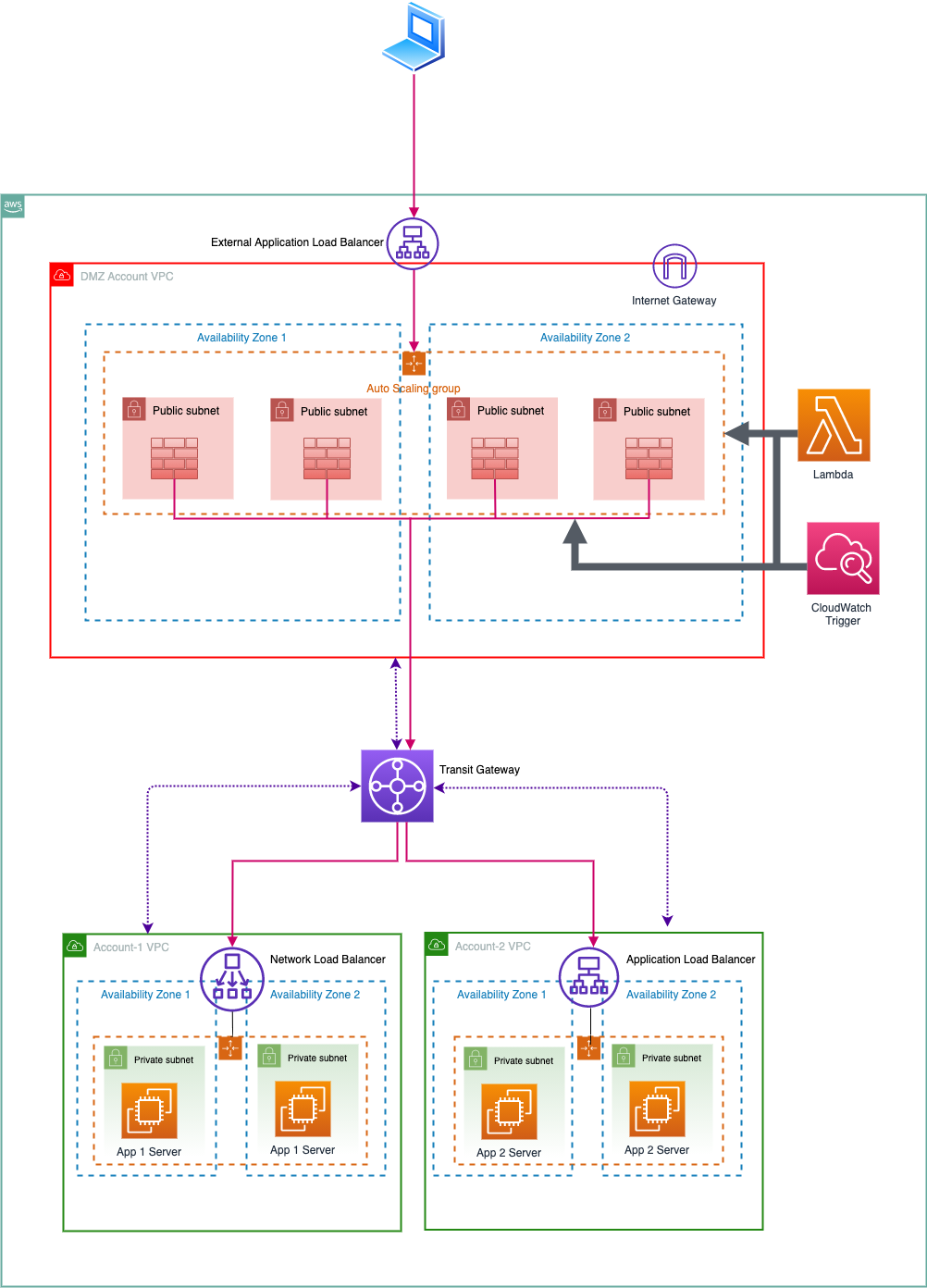
Certainly! “Egress monitoring” typically refers to the process of tracking or monitoring the movement of data or information leaving a network or system. This is an important aspect of network security to ensure that sensitive or confidential information is not being leaked or accessed by unauthorized users.
Here are some key points and tools related to egress monitoring:
- Egress Filtering: It involves controlling the flow of data leaving a network by applying rules and policies to outbound traffic. This helps prevent unauthorized access and data exfiltration.
- Data Loss Prevention (DLP): DLP solutions are designed to detect and prevent the unauthorized transmission of sensitive data outside the network. They can identify and block attempts to transfer sensitive information through various channels such as email, web uploads, or instant messaging.
- Network Firewalls: Modern firewalls often include egress filtering capabilities, allowing administrators to control what data can leave the network and through which ports and protocols.
- Proxy Servers: Proxy servers can be set up to monitor and log outgoing traffic, providing visibility into the types of data leaving the network and the destinations it is sent to.
- Intrusion Detection/Prevention Systems (IDS/IPS): These systems can also be configured to monitor egress traffic for suspicious patterns or behaviors, such as unauthorized data transfers.
- SIEM (Security Information and Event Management): SIEM tools can help aggregate and analyze logs from various network devices, including egress monitoring logs, to detect potential security incidents.
- Endpoint Security Solutions: Some endpoint security solutions include egress monitoring features, allowing organizations to track and control data leaving individual devices.
- Cloud Access Security Brokers (CASB): For organizations using cloud services, CASBs can offer egress monitoring capabilities to control data flowing to and from cloud applications.
When implementing egress monitoring, it is essential to strike a balance between security and usability, as overly restrictive policies could impede legitimate business operations. Therefore, organizations need to carefully design and fine-tune their egress monitoring strategies to meet their specific security requirements.
Please note that egress monitoring practices and tools may evolve over time, so it’s a good idea to check for the latest developments in network security and data protection.
ingress monitoring.” Ingress monitoring typically refers to the process of monitoring and analyzing incoming network traffic or data into a network, system, or application. This monitoring is crucial for security and performance management purposes.
Here are some aspects related to ingress monitoring:
- Network Intrusion Detection/Prevention Systems (IDS/IPS): These are security systems that monitor network traffic for suspicious or malicious activity. They can detect and prevent unauthorized access attempts through the network’s ingress points.
- Firewalls: Firewalls are devices or software that control incoming and outgoing network traffic based on predefined security rules. They can be used to monitor and block unwanted incoming traffic.
- Load Balancers: Load balancers can also be involved in ingress monitoring by distributing incoming network traffic across multiple servers or resources, ensuring optimal performance and availability.
- Traffic Analysis: Network administrators and security teams use various tools to analyze incoming traffic patterns, identifying potential threats, and ensuring smooth traffic flow.
- Packet Capture and Analysis: Tools like Wireshark can capture and analyze network packets entering the network, providing insights into the content and potential security issues.
- Anomaly Detection: Ingress monitoring can involve anomaly detection techniques, where deviations from normal traffic behavior are identified and flagged for further investigation.
- Logging and Alerting: Monitoring systems can log incoming events and generate alerts when specific patterns or thresholds are met, enabling timely responses to potential security incidents.
- API Gateways and Reverse Proxies: In the context of web applications and APIs, ingress monitoring can involve API gateways and reverse proxies that control and inspect incoming requests to the application backend.
- Cloud-Based Ingress Monitoring: In cloud environments, providers often offer ingress monitoring services as part of their security features, allowing users to monitor and control incoming traffic to their cloud resources.
- Secure Sockets Layer (SSL) Inspection: Ingress monitoring can also involve inspecting SSL-encrypted traffic to detect potential threats hidden in encrypted data.
It’s important to note that the specific tools and techniques used for ingress monitoring can vary depending on the organization’s needs and the nature of the network being monitored. Additionally, the focus might shift to egress monitoring, which deals with outgoing network traffic.