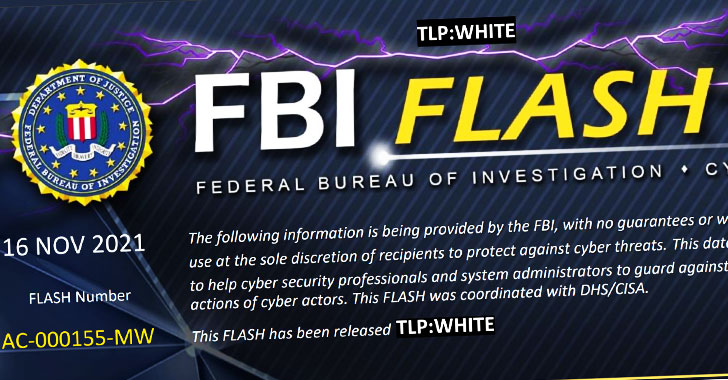
The U.S. Federal Bureau of Investigation (FBI) has disclosed
that an unidentified threat actor has been exploiting a previously
unknown weakness in the FatPipe MPVPN networking devices at least
since May 2021 to obtain an initial foothold and maintain
persistent access into vulnerable networks, making it the latest
company to join the likes of Cisco, Fortinet, Citrix, Pulse Secure
that have had their systems exploited in the wild.
“The vulnerability allowed APT actors to gain access to an
unrestricted file upload function to drop a web shell for
exploitation activity with root access, leading to elevated
privileges and potential follow-on activity,” the agency said[1]
in an alert published this week. “Exploitation of this
vulnerability then served as a jumping off point into other
infrastructure for the APT actors.”
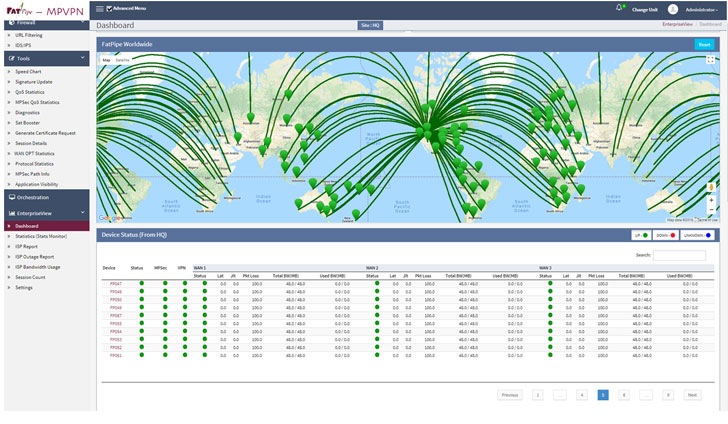
In other words, the zero-day vulnerability enables a remote
attacker to upload a file to any location on the filesystem on an
affected device. The security flaw impacts the web management
interface of FatPipe WARP[2], MPVPN[3], and IPVPN[4]
router clustering and VPN load-balancing devices running software
prior to the latest version releases 10.1.2r60p93 and
10.2.2r44p1.
The FBI, in its flash alert, noted that the threat actor
leveraged the web shell to move laterally and strike additional
U.S. infrastructure by setting up a malicious SSH service,
following it up with a number of steps designed to hide the
intrusions and protect their exploit until it’s needed again.
In an independent bulletin (FPSA006[5]), FatPipe said that the
bug stems from a lack of input validation mechanism for specific
HTTP requests, thus enabling an attacker to exploit the issue by
sending a specially crafted HTTP request to the affected device.
While there are no workarounds that address the flaw, the company
said it can be mitigated by disabling UI and SSH access on the WAN
interface or configuring Access Lists to permit access only from
trusted sources.
References
Read more https://thehackernews.com/2021/11/fbi-issues-flash-alert-on-actively.html