
The U.S. Department of Homeland Security (DHS) has warned of
critical security vulnerabilities in Emergency Alert System (EAS)
encoder/decoder devices.
If left unpatched, the issues could allow an adversary to issue
fraudulent emergency alerts over TV, radio, and cable networks.
The August 1 advisory comes courtesy of DHS’ Federal Emergency
Management Agency (FEMA). CYBIR security researcher Ken Pyle has
been credited with discovering the shortcoming.
EAS is a U.S. national public warning system[1]
that enables state authorities to disseminate information within 10
minutes during an emergency. Such alerts can interrupt radio and
television to broadcast emergency alert information.
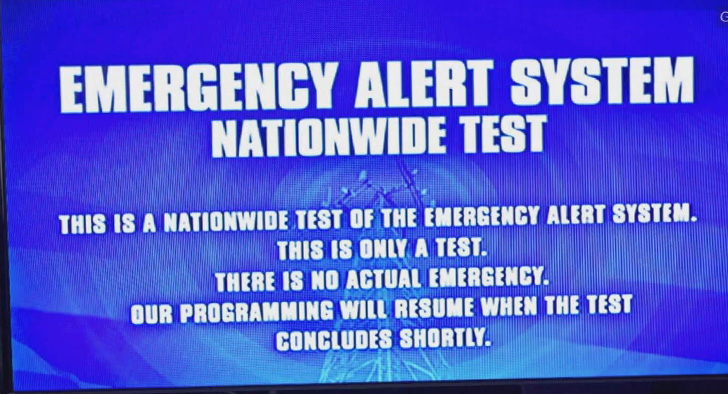
Details of the flaw have been kept under wraps to prevent active
exploitation by malicious actors, although it’s expected to be
publicized as a proof-of-concept at the DEF CON conference to be
held in Las Vegas next week.
“In short, the vulnerability is public knowledge and will be
demonstrated to a large audience in the coming weeks,” the agency
said[2]
in the bulletin.
To mitigate the vulnerability, relevant participants are
recommended to update the EAS devices to the latest software
versions, secure them with a firewall, and monitor and audit review
logs for signs of unauthorized access.
References
- ^
public
warning system (www.fema.gov) - ^
said
(content.govdelivery.com)
Read more https://thehackernews.com/2022/08/emergency-alert-system-flaws-could-let.html