Feb 27, 2023Ravie Lakshmanan
A new ChromeLoader malware campaign has been observed being
distributed via virtual hard disk (VHD) files, marking a deviation
from the ISO optical disc image format.
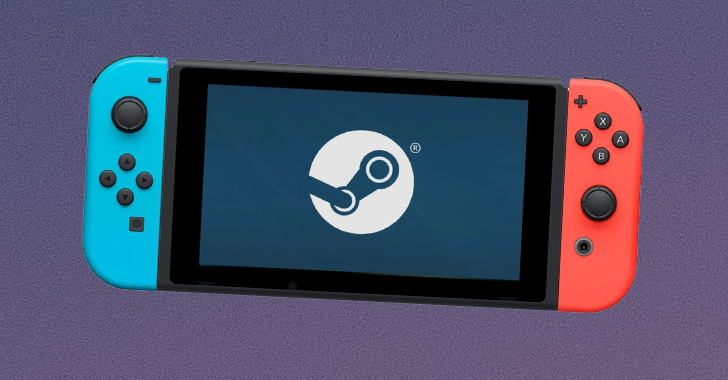
“These VHD files are being distributed with filenames that make
them appear like either hacks or cracks for Nintendo and Steam
games,” AhnLab Security Emergency response Center (ASEC) said[1] in a report last
week.
ChromeLoader[2]
(aka Choziosi Loader or ChromeBack) originally surfaced in January
2022 as a browser-hijacking credential stealer but has since
evolved into a more potent, multifaceted[3]
threat[4]
capable of stealing sensitive data, deploying ransomware, and even
dropping decompression bombs[5].
The primary goal of the malware is to compromise[6]
web browsers like Google Chrome, and modify the browser settings to
intercept and direct traffic to dubious advertising websites.
What’s more, ChromeLoader has emerged as a conduit to carry out click fraud[7]
by leveraging a browser extension to monetize clicks.
Since arriving on the scene, the malware has gone through
multiple versions, many of them equipped with capabilities to break
into both Windows and macOS systems. The shift to VHD files is yet
another sign that the campaign has gone through many changes over
the past few months.
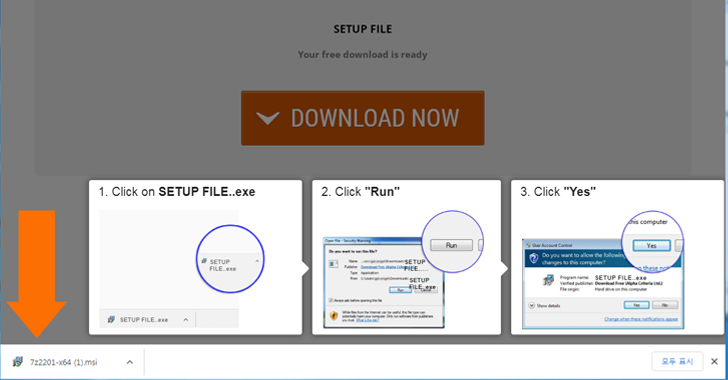
The infection chain indicates that users looking for pirated
software and video game cheats are the main targets, leading to the
download of VHD files from fraudulent websites appearing on search
results pages.
Some of the game titles and popular software used are Elden
Ring, Dark Souls III, Red Dead Redemption 2, Need for Speed, Call
of Duty, The Legend of Zelda: Breath of the Wild, Mario Kart 8
Deluxe, Super Mario Odyssey, Microsoft Office, and Adobe
Photoshop.
“When a VHD file is downloaded through this process, the user
can easily mistake the malicious VHD file for a game-related
program,” ASEC researchers said. “Disguising malware as game hacks
and crack programs is a method employed by many threat actors.”
To mitigate such risks, it’s recommended that users refrain from
following suspicious links and download software only from official
sources.
Found this article interesting? Follow us on Twitter [8]
and LinkedIn[9]
to read more exclusive content we post.
References
- ^
said
(asec.ahnlab.com) - ^
ChromeLoader
(thehackernews.com) - ^
multifaceted
(blogs.vmware.com) - ^
threat
(www.esentire.com) - ^
decompression bombs
(en.wikipedia.org) - ^
compromise
(blogs.blackberry.com) - ^
carry
out click fraud (thehackernews.com) - ^
Twitter
(twitter.com) - ^
LinkedIn
(www.linkedin.com)
Read more https://thehackernews.com/2023/02/chromeloader-malware-targeting-gamers.html