
this year. Just last July, Capital One disclosed that it was hit by
a breach that affected more than 100
million[1] customers.
Also recently, researchers came across an unsecured cloud server
that contained the names, phone numbers, and financial information
of virtually all citizens of Ecuador – around 20 million
people[2].
These are just the latest in a long line of security breaches
affecting enterprises over the past few years. The Yahoo!, Equifax,
and Marriott hacks and Facebook’s scandal should still be fresh in
people’s memories, reminding everyone that even large corporations
with budgets for enterprise cybersecurity may not be secure enough
to protect customer information.
These records are now out there, stored in hackers’ data
dumps[3], and are potentially
tradable over the Dark Web. The availability of such information
online increases a person’s risk of being victimized through fraud
and identity theft and other forms of cyberattacks.
These attacks are often met with outrage by pundits and the
public alike. Users expect these organizations to employ top-notch
security measures to protect user privacy. Yet users may not be
doing enough to keep their own information and computing devices
secure.
Users allow websites and applications unbridled access to their
devices and information. Most also rely on free and standard
antivirus software to protect their computers, which aren’t enough
to mitigate new forms of privacy-invasive cyberattacks.
Fortunately, new solutions are emerging to help users safeguard
themselves from these modern threats. Reason
cybersecurity[4]
is a security solution designed to be privacy-focused and can
protect users across various potential attack vectors.
Reason CTO and Founder Andrew Newman shared, “We often feel angry
when our records get stolen through security breaches on companies
we do business with. We trust them and fully expect them to protect
our privacy. However, if we check how we secure our own personal
information and digital privacy, we might realize that we aren’t
doing much. When was the last time you checked your PC for malware
and trackers? Or made sure that your account credentials are highly
secure? It’s high time that we invest in our security and privacy
ourselves.”
How Reason Protects Privacy
Modern security solutions can help users to safeguard themselves
from modern threats better. However, instead of investing in
capable security solutions, users typically rely on free software
that is incapable of detecting modern malware.
This leaves them extremely vulnerable to attacks that could
compromise their privacy.
Users should look towards investing in privacy-focused solutions
like Reason. Reason offers a comprehensive personal security suite
that includes essential features that can counter such attacks.
1) Antivirus and Anti-malware — At its core, Reason is an
antivirus that offers real-time protection against malicious files
and processes. Its detection engine is backed by a database of over
a million samples.
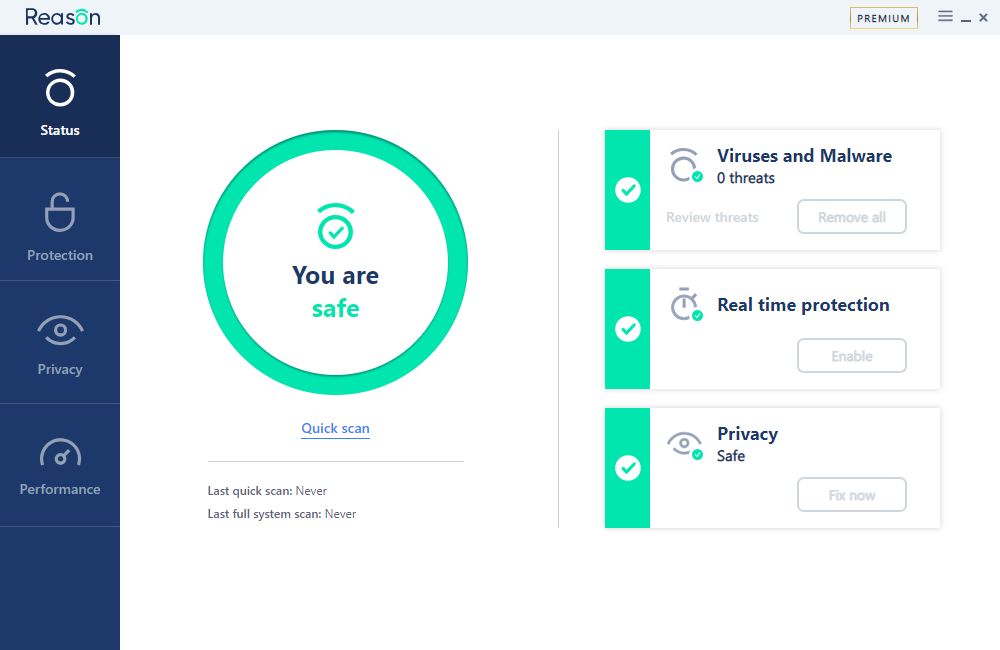
community submissions, allowing the software to be accurate and
keep up with new and emerging threats.
2) Microphone and Camera Protection — Reason also
safeguards users from remote access tools that are used by hackers
to access and control communication devices such as webcams and
microphones.
Hackers have also been tapping into these peripherals to record
private calls and videos that can be used for extortion or be sold
on the dark web.

attempts by applications to use these devices and enables users to
allow or block the applications.
3) Unwanted Applications — Reason can also scan for
dangerous tracking and spyware that may be found on users’
computers. Even legitimate applications may pose dangers to a
user’s security and privacy.
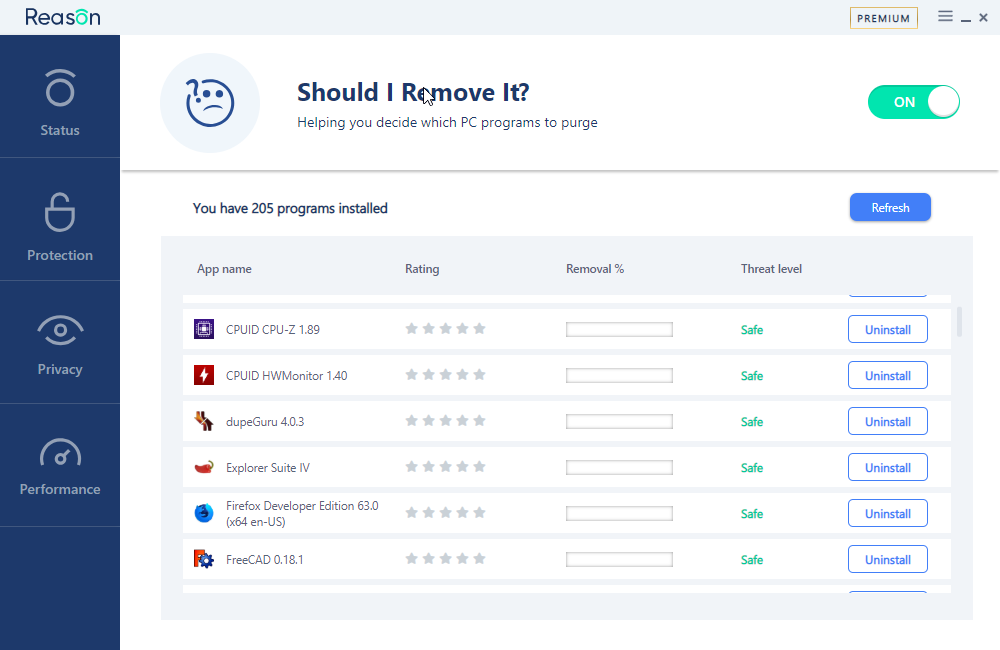
and rates them according to the threat they may pose, as well as
gives users the option to remove the applications entirely from the
device.
4) Ransomware Protection — Reason also protects computers
from ransomware. Ransomware is a popular type of malware that is
used to encrypt and restrict access to files and systems unless a
ransom is paid.
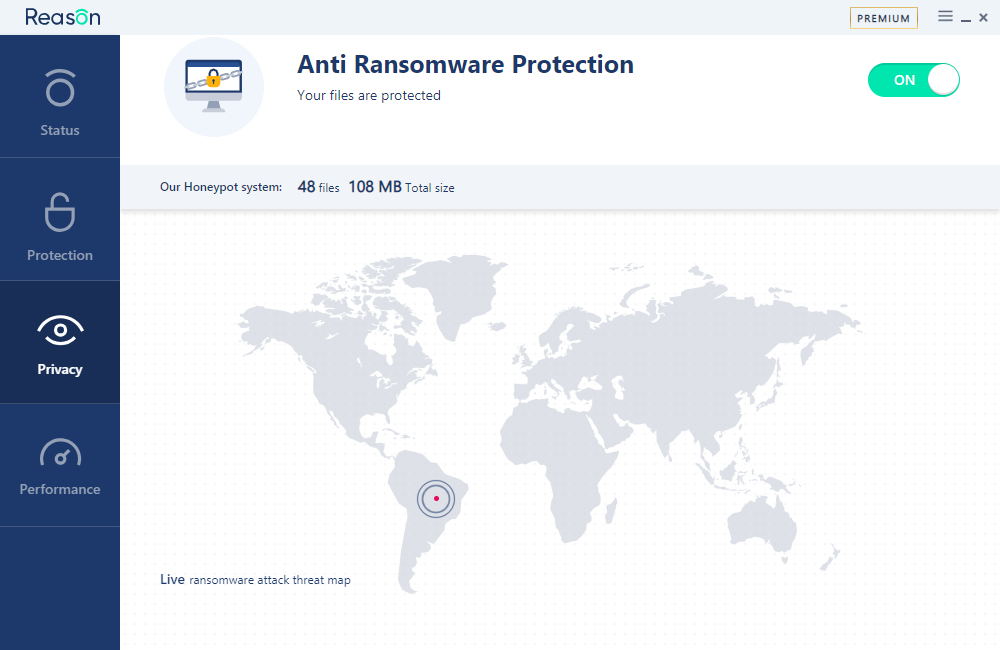
data. Reason disables encryption attempts and prevents them from
executing.
5) Browsing and Download Protection — In addition, Reason
provides a free chrome plugin that keeps users away from phishing
websites. Hackers nowadays use various methods to direct users to
click a malicious link.

lead to fraudulent websites that steal personal data and
information. Cybercriminals have also found a way to embed malware
to files that can be downloaded from legitimate websites.
These files can pose serious privacy threats when successfully
executed. Reason has included a free plugin that can automatically
scan downloaded files and check if they are safe to run.
“Hackers have gotten quite creative in the ways they try to steal
users’ information and invade their privacy. They cleverly disguise
their tools and tracks that require a capable set of tools to
combat their methods. A plain old antivirus isn’t enough these
days. Using a feature-rich security solution allows users to
protect themselves from the popular threats,” Newman added.
Being Vigilant
Aside from using modern solutions, users must also always remain
vigilant when using technology. Trust has become a fragile thing
these days so much so that users must check the legitimacy of
everything they come in contact with when using technology.
Users should be careful in executing attachments, files, and
media, even from supposedly trusted sources, since they may contain
embedded malware and viruses.
Fortunately, solutions like Reason that offer real-time
protection and download protection help minimize the impact of
these threats.
Users should also be wary of phishing emails—fraudulent emails
that are designed to steal critical information. As these seemingly
legitimate emails usually contain malicious attachments or links,
users must validate the email’s authenticity before clicking
anything.
Furthermore, users are advised to check what permissions apps
are asking for before granting them. If an app is asking to access
data that seems unnecessary to the app’s purpose, it’s best to deny
the request and uninstall the app.
In addition, users should avoid subscribing to services that ask
for too much information, particularly personal and financial data
that aren’t really relevant to their function.
This way, this information won’t be freely accessible should
these apps and services fall victim to attacks.
Adopting a Privacy Mindset
Cybersecurity demands that everyone do their part in keeping
everyone’s data secure. Individuals could do their part by ensuring
that they protect their data and devices by adopting capable
security solutions and being vigilant in everything they do.
“It isn’t exactly paranoia to be concerned about cyberattacks these
days. The threats are real. While it appears that everyone must
come to terms with the idea that one’s personal information is
simply out there for the taking, this still shouldn’t excuse users
to be lax with the information that they still control. Leveraging
modern security solutions and adopting a privacy-focused mindset
can still help them reduce security risks,” Newman concluded.
References
- ^
more than 100 million
(thehackernews.com) - ^
20 million people
(thehackernews.com) - ^
data dumps
(www.troyhunt.com) - ^
Reason cybersecurity
(www.reasonsecurity.com)
Read more http://feedproxy.google.com/~r/TheHackersNews/~3/30rBX1P1O9o/reason-antivirus-protection.html