Both cryptocurrency and ransomware are nothing new in the
digital world; both have been there for a very long time, which was
enough for them to find common pieces for starting their
relationship.
Ransomware can be like a virtual car that works on all types of
fuels, and crypto is the one that is currently most recommended. No
one can argue that 2020 was the year of ransomware in the cyber
world, but it wasn’t due to the fact that cybercriminals chose
ransomware just because they knew how to attack properly. It’s
because of the fact that crypto rose mostly this year, along with
the new normal of the digital world. It gave them a new cause to
stick to ransomware, thanks to the anonymous payments that can be
made using a cryptocurrency.
How does ransomware work?
Ransomware is a malware type that encrypts the victim’s files,
whether it’s a random user or an organization, leading to denying
them access to those files on their personal devices.
And the key to gaining access is to pay the ransom to the
attacker.
How is cryptocurrency helping spread
ransomware?
Now we all know that all crypto transactions are untraceable for
both receiver and sender, which we call a whole anonymous
transaction. The increased demand for crypto in recent years made
it easier to buy and sell those virtual coins and get actual
money.
With that being said, cryptocurrency became the most preferred
way (if not the best) for cybercriminals to get their ransom
without being traced and give those organizations access to their
files.
How to avoid participating in ransomware
parties?
Most articles on the internet teach you the steps on how to give
the ransom to the criminals with the minimum losses and without
making mistakes to make sure you get your files back. But the
question is, why do you need to learn how to make payments to a
criminal when you can avoid meeting them and their viruses in the
first place?
There are multiple ways where each gives you a generous
percentage of protection.
Starting with taking cybersecurity awareness training courses
which we call the ultimate layer of protection, followed by
multilayers such as the first and most valuable layer that works on
the DNS level, which is the first gate between you and the
cybercriminal.
A Strong DNS protection would simply turn your wheel each time
you try to run by a website that contains viruses. It would also
block all crypto and mining websites at which most hackers party
at.
Any examples?
Absolutely.
DarkSide ransomware. Its active operations took place in 2020.
Its main feature was that it not only encrypted the victim’s data
but also deleted it from the affected servers. This is one of the
characteristic features of such threats.
In less than a year of work, about $ 100 million were paid in
bitcoins. The extortionists received about $10 million by attacking
only two companies.
The Brenntag company distributes chemicals. In this case, the
DarkSide partners in crime said they had obtained access to the
network after purchasing stolen information but didn’t know how the
credentials were obtained to begin with. The company paid a $4.4
million ransom in cryptocurrency. Following the ransom payment,
Brenntag obtained a decryptor for encrypted files and successfully
stopped the cybercriminals from making the company’s stolen
information public.
The second company is Colonial Pipeline. The Colonial Pipeline
is the largest pipeline system for refined oil products in the U.S.
After learning it was “the victim of a cybersecurity attack,” the
pipeline operator took some systems offline, temporarily halting
pipeline operations and several IT systems. It also contacted an
outside cybersecurity firm to conduct an investigation. Finally,
they paid the hackers nearly $5 million in cryptocurrency in return
for a decryption key to restore its systems.
Conti Ransomware. The main victims of this extortion were
healthcare institutions. Its usual methods use phishing attacks to
gain remote access to a computer and further spread on the network
while simultaneously stealing credentials and collecting
unencrypted data. And the most renowned attack was the attack on
Ireland’s Health Service Executive, during which the gang ransomed
about $ 20 million in cryptocurrency for non-disclosure of the data
received.
How to obtain protection?
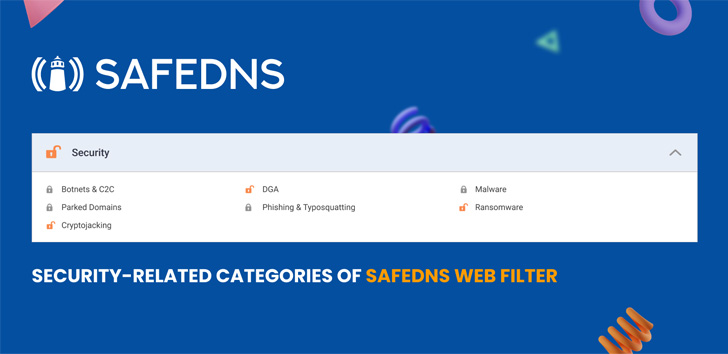
SafeDNS has updated categories having DGA, Cryptojacking and
others as part of the Security group, and we definitely recommend
trying out threat protection & giving a free 15-day trial[1]
of web filtering a go. Stay safe!
References
- ^
free
15-day trial (www.safedns.com)
Read more https://thehackernews.com/2022/10/ryptocurrency-and-ransomware-ultimate.html