A recently discovered wave of malware attacks has been spotted
using a variety of tactics to enslave susceptible machines with
easy-to-guess administrative credentials to co-opt them into a
network with the goal of illegally mining cryptocurrency.
“The malware’s primary tactic is to spread by taking advantage
of vulnerable systems and weak administrative credentials. Once
they’ve been infected, these systems are then used to mine
cryptocurrency,” Akamai security researcher Larry Cashdollar
said[1]
in a write-up published last week.
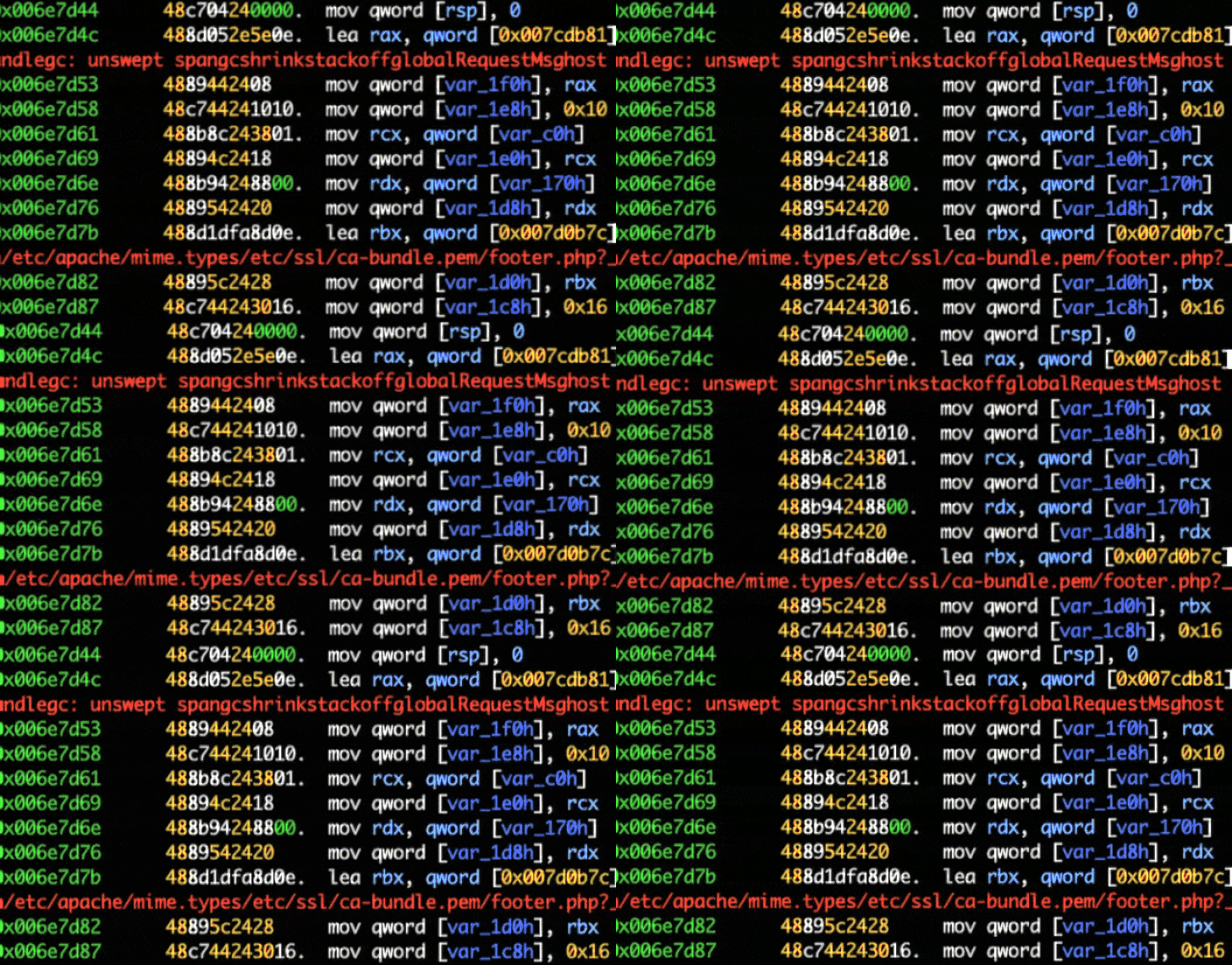
The PHP malware — codenamed “Capoae” (short for “Сканирование,”
the Russian word for “Scanning”) — is said to be delivered to the
hosts via a backdoored addition to a WordPress plugin called
“download-monitor,” which gets installed after successfully
brute-forcing WordPress admin credentials. The attacks also involve
the deployment of a Golang binary[2]
with decryption functionality, with the obfuscated payloads
retrieved by leveraging the trojanized plugin to make a GET request
from an actor-controlled domain.
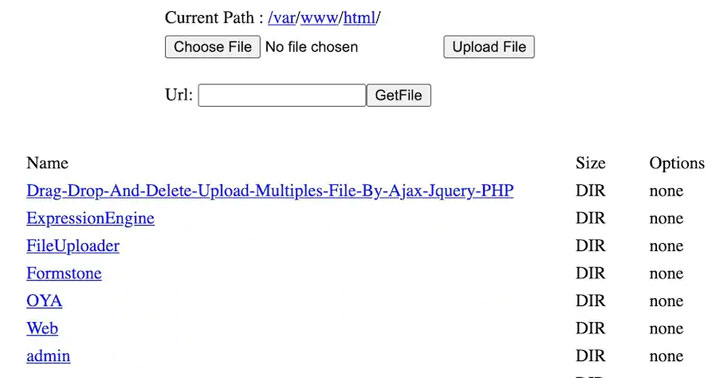
Also included is a feature to decrypted and execute additional
payloads, while the Golang binary takes advantage of exploits for
multiple remote code execution flaws in Oracle WebLogic Server
(CVE-2020-14882[3]), NoneCms (CVE-2018-20062[4]), and Jenkins (CVE-2019-1003029[5]
and CVE-2019-1003030[6]) to brute force its way
into systems running SSH and ultimately launch the XMRig mining
software.
What’s more, the attack chain stands out for its persistence
tricks, which includes choosing a legitimate-looking system path on
the disk where system binaries are likely to be found as well as
generating a random six-character filename that’s then subsequently
used to copy itself into the new location on the system before
deleting the malware upon execution.
“The Capoae campaign’s use of multiple vulnerabilities and
tactics highlights just how intent these operators are on getting a
foothold on as many machines as possible,” Cashdollar said. “The
good news is, the same techniques we recommend for most
organizations to keep systems and networks secure still apply
here.”
“Don’t use weak or default credentials for servers or deployed
applications,” Cashdollar added. “Ensure you’re keeping those
deployed applications up to date with the latest security patches
and check in on them from time to time. Keeping an eye out for
higher than normal system resource consumption, odd/unexpected
running processes, suspicious artifacts and suspicious access log
entries, etc., will help you potentially identify compromised
machines.”
References
- ^
said
(www.akamai.com) - ^
Golang
binary (www.virustotal.com) - ^
CVE-2020-14882
(nvd.nist.gov) - ^
CVE-2018-20062
(nvd.nist.gov) - ^
CVE-2019-1003029
(nvd.nist.gov) - ^
CVE-2019-1003030
(nvd.nist.gov)
Read more http://feedproxy.google.com/~r/TheHackersNews/~3/LNnBCXKL1w0/new-capoae-malware-infiltrates.html