Prominent Apple supplier Quanta on Wednesday said it
suffered a ransomware attack from the REvil ransomware group, which
is now demanding the iPhone maker pay a ransom of $50 million to
prevent leaking sensitive files on the dark web.
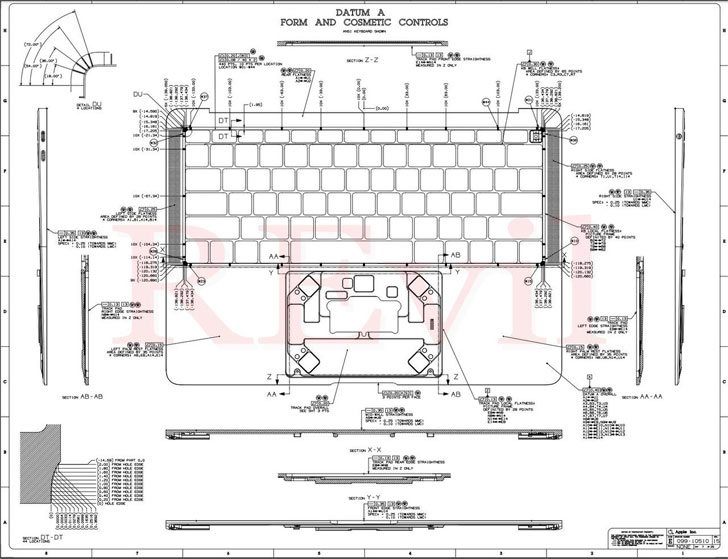
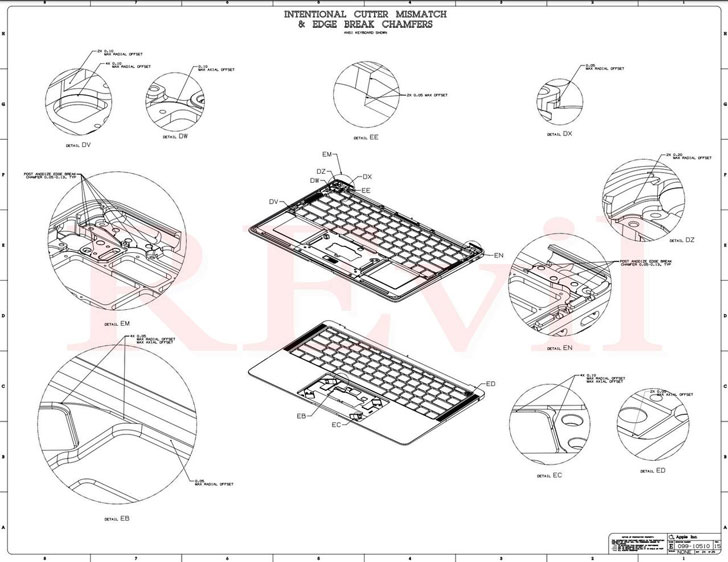
In a post shared on its deep web “Happy Blog” portal, the threat
actor said it came into possession of schematics of the U.S.
company’s products such as MacBooks and Apple Watch by infiltrating
the network of the Taiwanese manufacturer, claiming it’s making a
ransom demand to Apple after Quanta expressed no interest in paying
to recover the stolen blueprints.
“Our team is negotiating the sale of large quantities of
confidential drawings and gigabytes of personal data with several
major brands,” the REvil operators said. “We recommend that Apple
buy back the available data by May 1.”
Since first detected in June 2019, REvil[1]
(aka Sodinokibi or Sodin) has emerged as one of the most prolific
ransomware-as-a-service (RaaS) groups, with the gang being the
first to adopt the so-called technique of “double extortion” that
has since been emulated by other groups to maximize their chances
of making a profit.

The strategy seeks to pressure victim companies into paying up
mainly by publishing a handful of files stolen from their extortion
targets prior to encrypting them and threatening to release more
data unless and until the ransom demand is met.
The main actor associated with advertising and promoting REvil
on Russian-language cybercrime forums is called Unknown, aka UNKN.
The ransomware is also operated as an affiliate service[2], wherein threat actors
are recruited to spread the malware by breaching corporate network
victims, while the core developers take charge of maintaining the
malware and payment infrastructure. Affiliates typically receive
60% to 70% of the ransom payment.
Ransomware operators have netted more than $350m in 2020, a 311%
jump from the previous year, according[3]
to blockchain analysis company Chainalysis.
The latest development also marks a new twist in the double
extortion game, in which a ransomware cartel has gone after a
victim’s customer following an unsuccessful attempt to negotiate
ransom with the primary victim.
We have reached out to Quanta for comment, and we will update
the story if we hear back.
However, in a statement shared with Bloomberg[4], the company said it
worked with external IT experts in response to “cyber attacks on a
small number of Quanta servers,” adding “there’s no material impact
on the company’s business operation.”