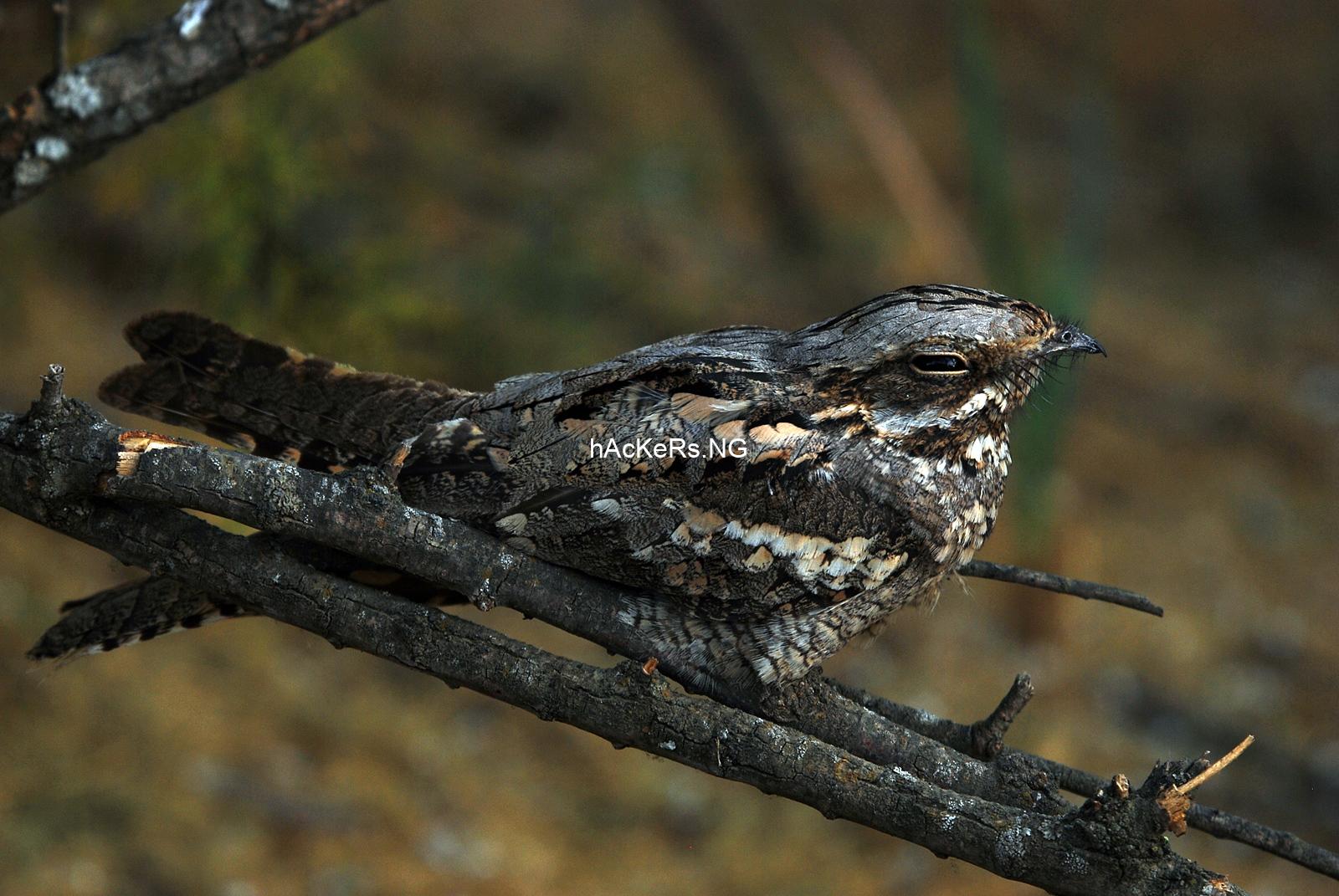

Forget cooling temperatures, the amount of moonlight apparently
dictates when some birds fly south in the fall.
That’s according to new research from Lund University in
Sweden, which showed the presence or absence of moonlight weighed
on the bird’s decisions to take flight. The study was published in
journal PLOS Biology.[1]
RELATED: ALMOST 3 BILLION BIRDS IN
NORTH AMERICA HAVE DISAPPEARED SINCE 1970[2]
European nightjars like to hunt by sight
Researchers led by Gabriel Norevik of Lund University
looked at European nightjars and how the lunar cycle and moonlight
impacted the departure time when the birds began their migration[3]
to areas south of the Sahara. The flight typically takes the birds
three months to get to the warmer climate.
The researchers studied 39 European nightjars for a year
and found the birds searched twice as much for insects to eat when
the moon was out compared to when it was dark. The birds started
their migration flight roughly ten days after the full moon with
the birds all taking off around the same time.
It would make sense that the European nightjars hunt more
when the moonlight is out since they use sight to find insects.
They find it easier with the glow of the moon[4], giving them the energy
to take flight.
“It surprised us that the lunar cycle and the time the
birds spent on hunting insects co-vary so well. This, in turn,
affects their migration pattern in such a way that they synchronize
their flight so that practically all of them fly off at the same
time ten days after the full moon”, said Gabriel Norevik in a
press release[5]
highlighting the results of the research.
Migration comes in stages
The researchers also found the birds tend to take three
stages to make it to their final warmer destination. They migrate
from Sweden to northern Europe and then to the sites south of the
Saraha. At each stage, they follow the same pattern of hunting in a
more frantic pace when the moon provides a lot of light. The next
stage of the migration starts about ten days after the full
moon. “We will go on to examine that and
what effects this type of synchronized migration has on the birds
themselves and their surroundings,” Norevik said in the
release.
References
- ^
new research
(www.lu.se) - ^
RELATED:
ALMOST 3 BILLION BIRDS IN NORTH AMERICA HAVE DISAPPEARED SINCE
1970 (interestingengineering.com) - ^
migration
(interestingengineering.com) - ^
moon
(interestingengineering.com) - ^
press release
(www.eurekalert.org)